HI
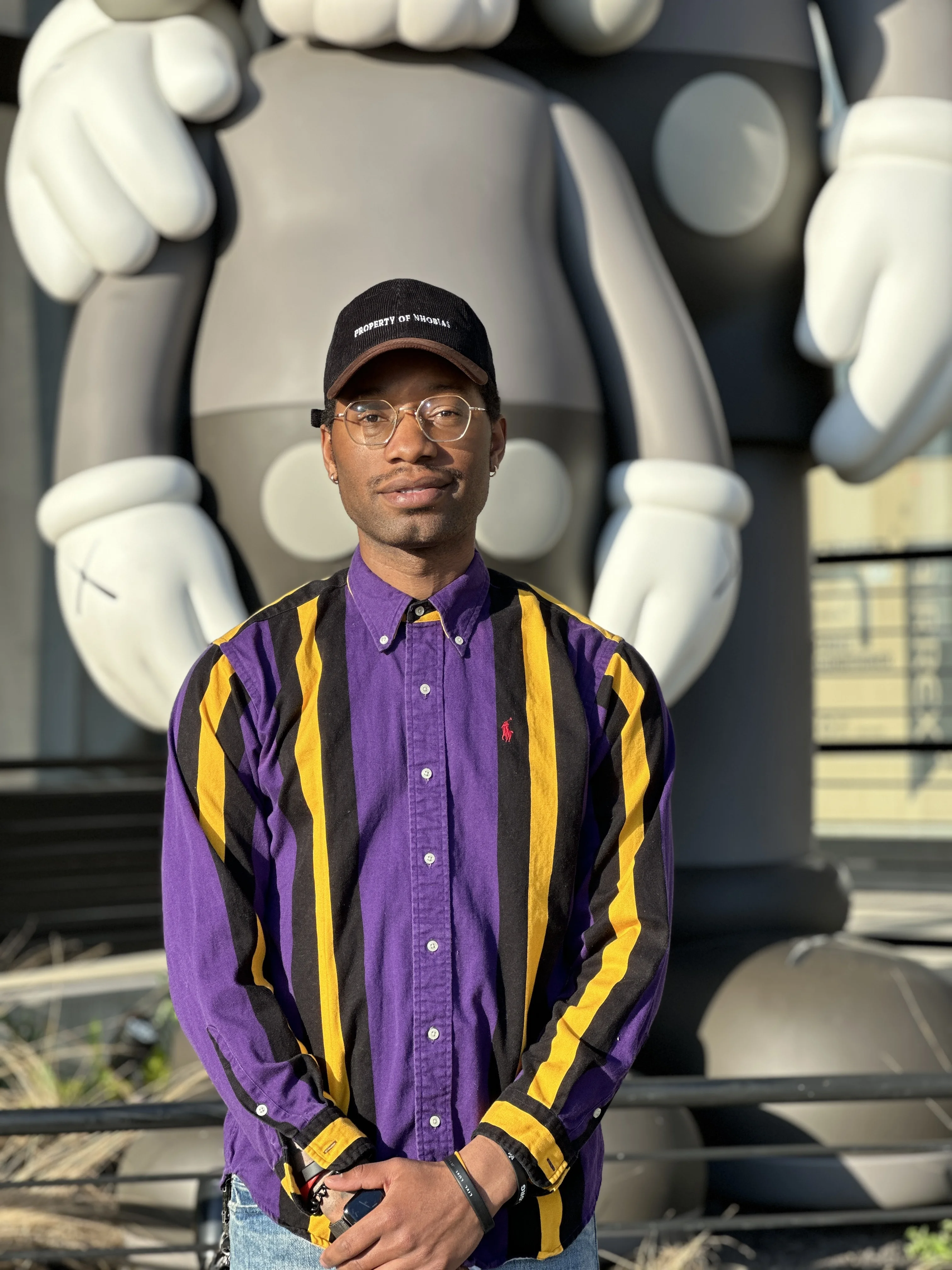
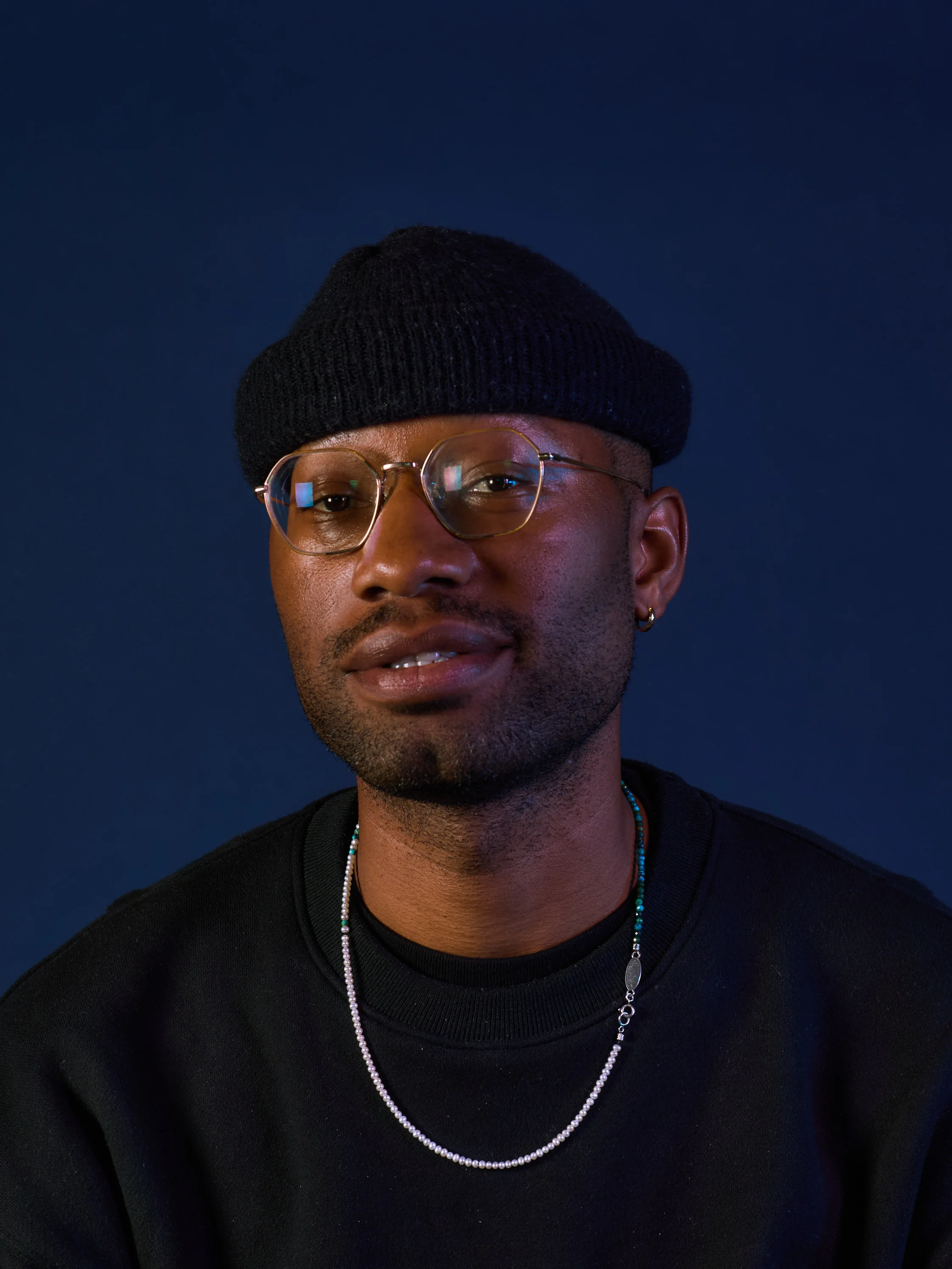
I'M A.D

I'm a designer/creative technologist exploring the next frontier of human experiences.
impacting 100M+ humans through my work, leveraging design x engineering x business principles
The future of human-technology interfaces will be both personal and spatial. I have fully dedicated to my vocational pursuit of leading in the space. I believe craft should be embedded in one's output (work/artifacts/efforts) AND inputs (listening/observation/approach). I believe worthwhile human insights are deep-seeded requiring a deeply-embedded/cross-disciplined skillset.
I leverage multi-disciplinary training, rigor, and perspective to formulate and realize (human) futures.





4D
t.i.m.E
HM
[AI]rBnB
SF
SaveFace
MT
METIS
MATERIAL TENSION THEORY | Wood meets metal, commerce emerges from contradiction
generated $30,000+ revenue, validating digital's transferability to physical product development
I - PROMPT
MIT. Fall. Eight teams of designers, engineers, and business leaders gathered in a reserved room of MIT's lively D-Lab. Each individual team would then be handed the same seemingly simple challenge: "Create a kitchen item." But the subtext was revolutionary—transform design/academic theory into commercial reality within just three months. Research it, design it, build it, brand it, sell it. The team with the highest profit wins. This was a journey into design rigor as practical application, and the work would be two-fold: 1. application of digital design principles to tangible product, and 2. managing the preferences/personalities of other, world-class colleagues wanting to contribute to the winning team.
I looked around at my teammates—brilliant minds with expertise in different domains, but no experience bringing a consumer-phasing, analog product to market. None of us had manufactured anything at scale before. We had no established supply chains, no production facilities, no distribution channels. What we did have was three months, limited resources, and the weight of MIT's reputation (and our individual team pride) on our shoulders.
We were not just designing something beautiful; we were navigating the treacherous gap between concept and commerce. Could we cross that void that swallows so many brilliant ideas? Could we translate design thinking—so often trapped in the digital realm—into atoms and dollars? I felt the vertigo of possibility, the terror of tangibility.
As one of two designers on the team (and having world-class business training), I knew my role would be to anchor us in human/business needs while pushing us toward unexplored territories. But first, we needed principles to navigate by—not just constraints but portals into different dimensions of the design space.
II - COMPOSITE
Our research began not in studios but in strangers' kitchens. We interviewed twelve "dwellers"—people who cook or prepare food at least twice daily. We intercepted shoppers "in the wild," capturing unfiltered reactions to products they encountered. What emerged weren't just preferences but philosophies: Beauty wasn't superficial but communicative—objects needed to speak the language of class and occasion. Quality wasn't just durability but relationship—users wanted items they could maintain and grow with. Function wasn't just utility but choreography—how objects participated in the rituals of serving and sharing.
The breakthrough came during our fourth prototype and concept-selection session. We'd been exploring three product categories: Bowl-like vessels, Trays + boards, and Modular vessels. Trays scored highest on our feasibility-desirability-viability matrix, but something was missing—a tension, a conversation, a reason to exist beyond utility. We needed an object to evoke a sense, a deeper connection, an extension of the duality a kitchen brings to a person's life through both functional resolution and creative ascension.
Around 2 AM in a hidden MIT workshop, a piece of wood fell next to a sheet of galvanized steel (as if the hand of God himself had nudged. The juxtaposition was electric—not just visually but philosophically. Natural against industrial. Warm against cold. Organic against machined. Hand-crafted against mass-produced. This wasn't mere aesthetics but cultural commentary made tangible—the collision of contradictory elements creating something greater than their sum. Of the four of us toiling with answers and a solidified direction, this moment represented immediate harmony in what we needed to, in response to the material harmony itself.
The team split on the implications of this direction. Half worried about manufacturing complexity, while half of us worried if users/consumers would be able to decode and be moved by this inherent tension. An uneasiness would exist in working to unite materials that wanted to remain separate. "We'll honestly just have to pick one." some argued. "Wood or metal. Not both." others pushed. But I knew that feeling of harmony we felt would not be able to be forgotten, and any compromise would diminish the genius potential here: "The tension is the product. Without it, we're just making another tray."
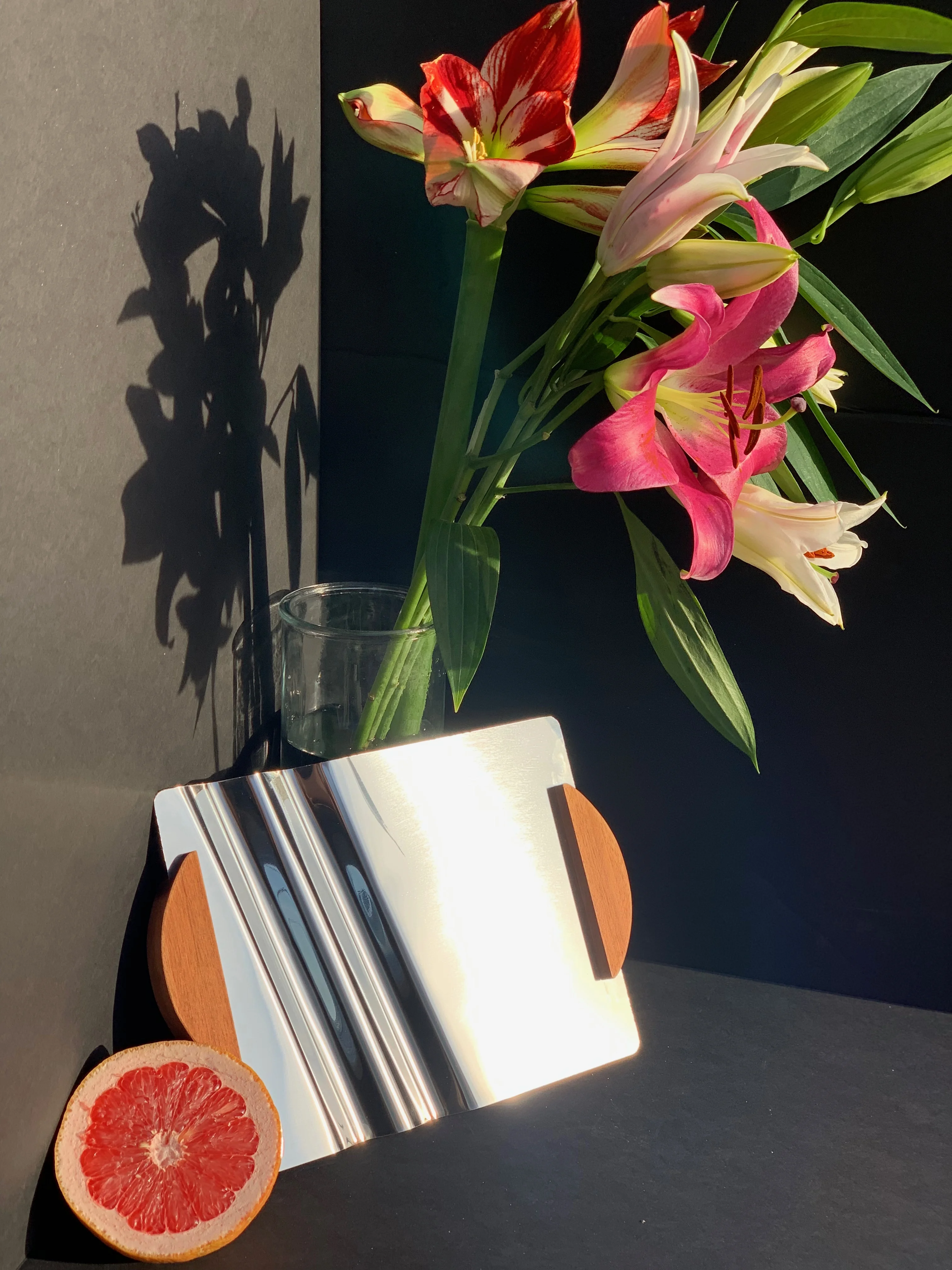
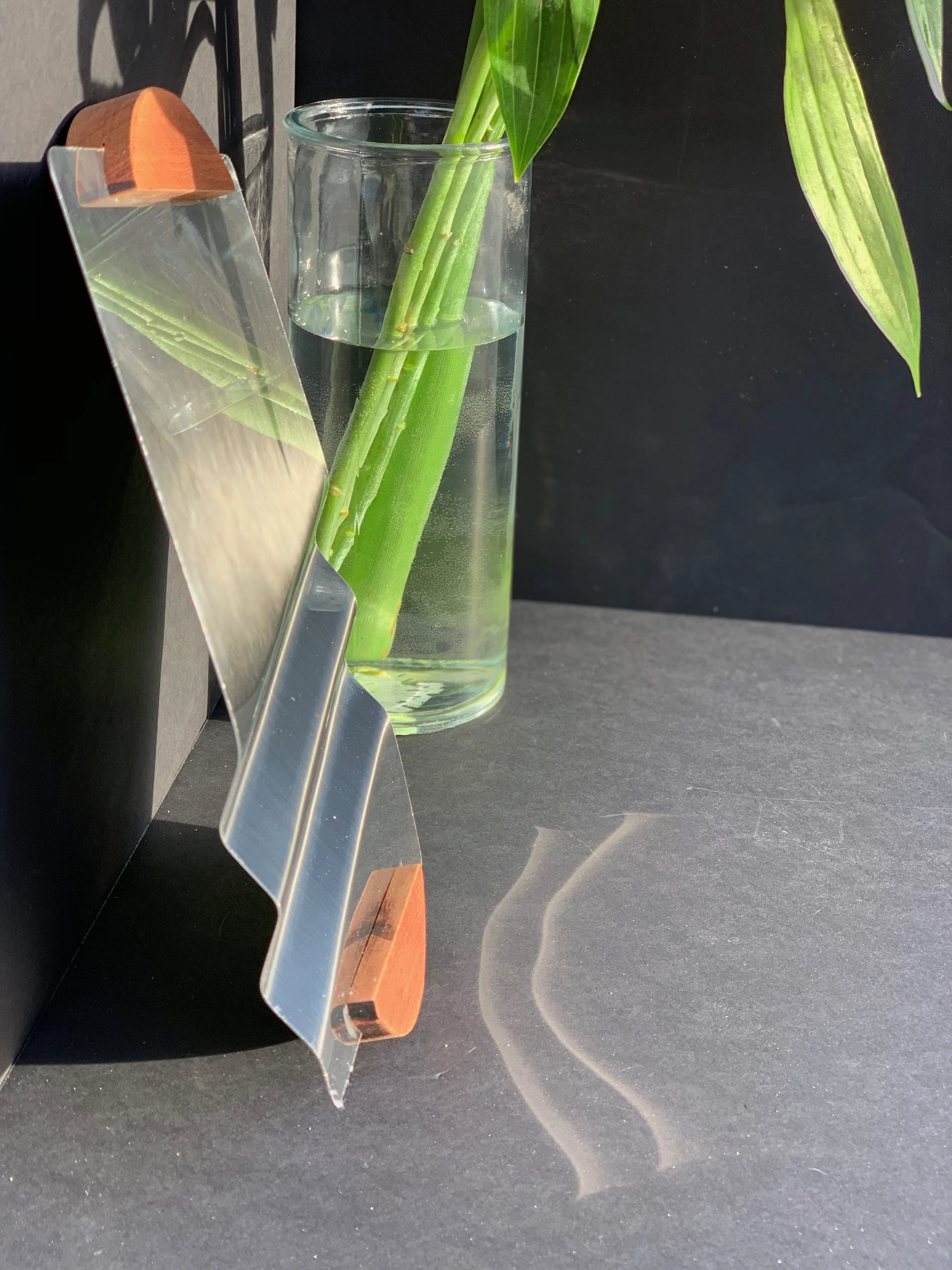
Our engineering challenge became a metaphysical one: how do you unite materials that represent opposing worldviews? The solution emerged through process—we created wooden braces to methodically press and bend our steel sheets. The very tension we sought in our product became embedded in our production method. The means of creation mirrored the meaning of the creation. We would leverage this concept as wood as 'brace' to extend the use of wood in the actual product as handles. Again, harmony represented as process and as output.
Two weeks before deadline, disaster struck. Our initial production run revealed inconsistent wood production in contrast to the uniform metal pieces—each handle needing to be treated and some multiple re-made. In mass manufacturing, this would be failure. But one team member, our engineer, saw opportunity: "What if inconsistency within thresholds is our signature? What if each piece is intentionally unique?" At this, we agreed to shift our perspective on constraint into one of embracing the custom/individualized nature of each tray; a limitation shifted to become a key feature.
III - TRIUMPH
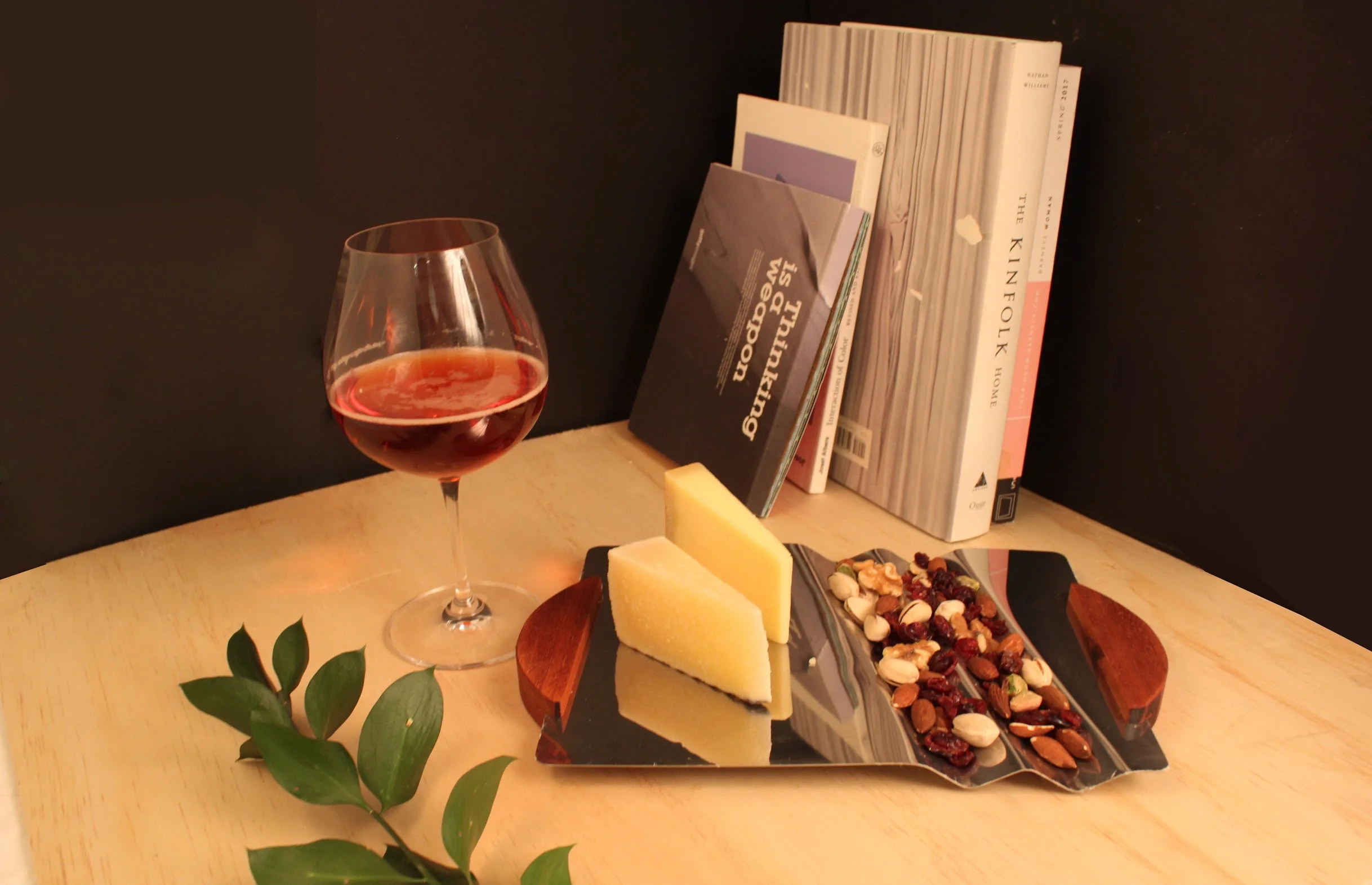
The market responded with unexpected enthusiasm. We sold over 75 units, generating more than $ 30,000 in revenue—winning the competition among eight teams. But the metrics tell only part of the story.
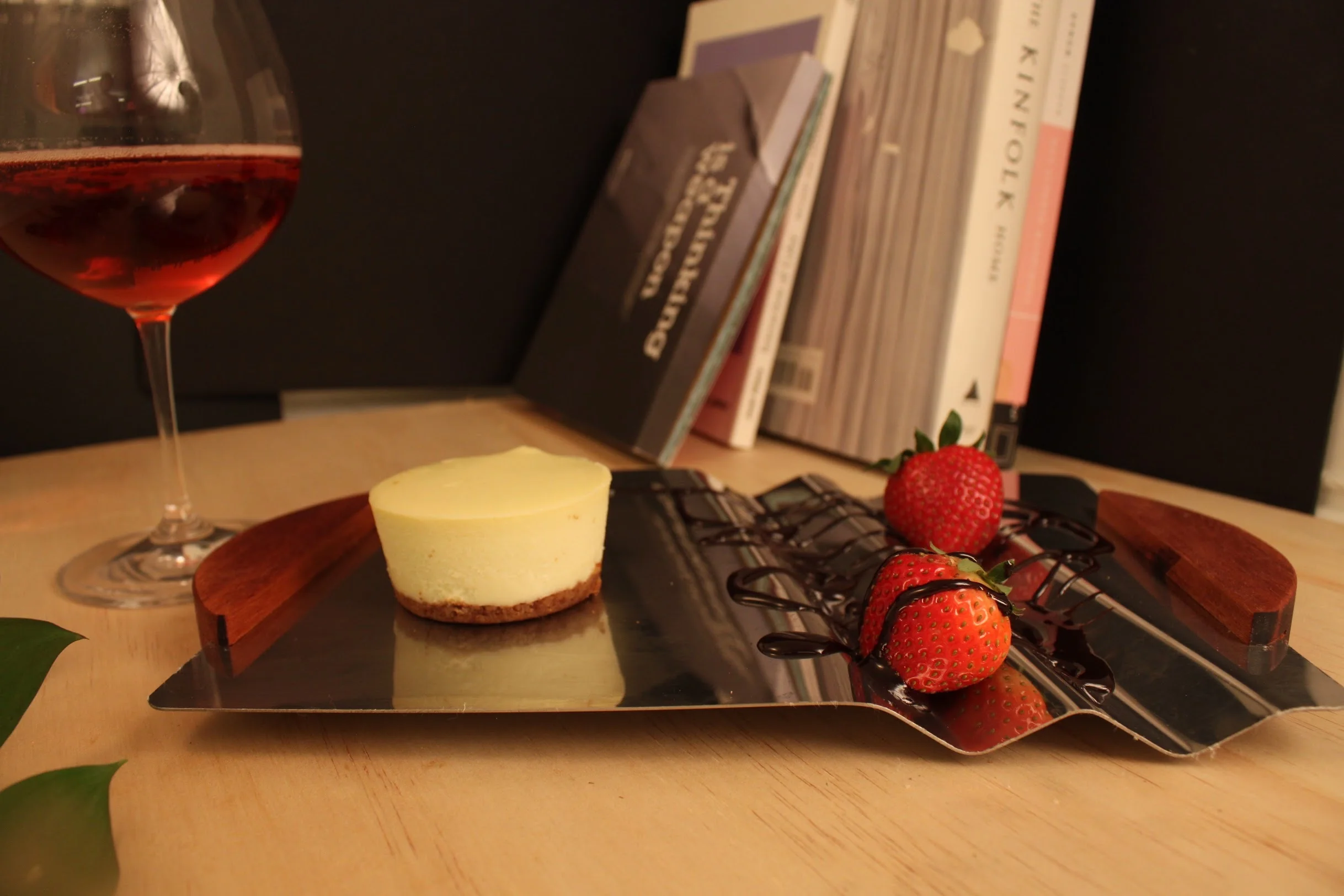
What we created wasn't just a product but a conversation piece—an object that made people reflect on the relationship between materials, between craftsmanship and industry, between utility and meaning, between process and output. Users didn't just purchase a tray; they acquired a philosophy made tangible, a daily reminder of the beauty that emerges from tension rather than resolution.
The METIS tray transcended its functional purpose to become a cultural artifact—a commentary on how we navigate a world of contradictions. It embodied the truth that design isn't about removing tension but about channeling it into meaning. About creating not just objects but territories of emotion that invite people to enter and engage. (Funny enough, kitchens often being seen as territories made this challenge the perfect vessel for exploring this concept through an object made for a kitchen.)
This project reveals the ultimate truth about physical product design: successful objects don't just serve functions—they transform contexts. Our tray didn't merely hold food; it changed how food was perceived. It didn't just organize utensils; it elevated everyday moments into experiences worth remembering.
What began as a competition became a thesis on materiality's power to convey meaning. By understanding that people don't buy products but emotions made tangible, we created more than a winning kitchen item—we created a methodology for translating human desires into physical form, proving that the distance between concept and commerce isn't a void to be feared but a space to be designed.
I - PROMPT
MIT. Fall. Eight teams of designers, engineers, and business leaders gathered in a reserved room of MIT's lively D-Lab. Each individual team would then be handed the same seemingly simple challenge: "Create a kitchen item." But the subtext was revolutionary—transform design/academic theory into commercial reality within just three months. Research it, design it, build it, brand it, sell it. The team with the highest profit wins. This was a journey into design rigor as practical application, and the work would be two-fold: 1. application of digital design principles to tangible product, and 2. managing the preferences/personalities of other, world-class colleagues wanting to contribute to the winning team.
I looked around at my teammates—brilliant minds with expertise in different domains, but no experience bringing a consumer-phasing, analog product to market. None of us had manufactured anything at scale before. We had no established supply chains, no production facilities, no distribution channels. What we did have was three months, limited resources, and the weight of MIT's reputation (and our individual team pride) on our shoulders.
We were not just designing something beautiful; we were navigating the treacherous gap between concept and commerce. Could we cross that void that swallows so many brilliant ideas? Could we translate design thinking—so often trapped in the digital realm—into atoms and dollars? I felt the vertigo of possibility, the terror of tangibility.
As one of two designers on the team (and having world-class business training), I knew my role would be to anchor us in human/business needs while pushing us toward unexplored territories. But first, we needed principles to navigate by—not just constraints but portals into different dimensions of the design space.
II - COMPOSITE
Our research began not in studios but in strangers' kitchens. We interviewed twelve "dwellers"—people who cook or prepare food at least twice daily. We intercepted shoppers "in the wild," capturing unfiltered reactions to products they encountered. What emerged weren't just preferences but philosophies: Beauty wasn't superficial but communicative—objects needed to speak the language of class and occasion. Quality wasn't just durability but relationship—users wanted items they could maintain and grow with. Function wasn't just utility but choreography—how objects participated in the rituals of serving and sharing.
The breakthrough came during our fourth prototype and concept-selection session. We'd been exploring three product categories: Bowl-like vessels, Trays + boards, and Modular vessels. Trays scored highest on our feasibility-desirability-viability matrix, but something was missing—a tension, a conversation, a reason to exist beyond utility. We needed an object to evoke a sense, a deeper connection, an extension of the duality a kitchen brings to a person's life through both functional resolution and creative ascension.
Around 2 AM in a hidden MIT workshop, a piece of wood fell next to a sheet of galvanized steel (as if the hand of God himself had nudged. The juxtaposition was electric—not just visually but philosophically. Natural against industrial. Warm against cold. Organic against machined. Hand-crafted against mass-produced. This wasn't mere aesthetics but cultural commentary made tangible—the collision of contradictory elements creating something greater than their sum. Of the four of us toiling with answers and a solidified direction, this moment represented immediate harmony in what we needed to, in response to the material harmony itself.
The team split on the implications of this direction. Half worried about manufacturing complexity, while half of us worried if users/consumers would be able to decode and be moved by this inherent tension. An uneasiness would exist in working to unite materials that wanted to remain separate. "We'll honestly just have to pick one." some argued. "Wood or metal. Not both." others pushed. But I knew that feeling of harmony we felt would not be able to be forgotten, and any compromise would diminish the genius potential here: "The tension is the product. Without it, we're just making another tray."
Our engineering challenge became a metaphysical one: how do you unite materials that represent opposing worldviews? The solution emerged through process—we created wooden braces to methodically press and bend our steel sheets. The very tension we sought in our product became embedded in our production method. The means of creation mirrored the meaning of the creation. We would leverage this concept as wood as 'brace' to extend the use of wood in the actual product as handles. Again, harmony represented as process and as output.
Two weeks before deadline, disaster struck. Our initial production run revealed inconsistent wood production in contrast to the uniform metal pieces—each handle needing to be treated and some multiple re-made. In mass manufacturing, this would be failure. But one team member, our engineer, saw opportunity: "What if inconsistency within thresholds is our signature? What if each piece is intentionally unique?" At this, we agreed to shift our perspective on constraint into one of embracing the custom/individualized nature of each tray; a limitation shifted to become a key feature.
III - TRIUMPH
The market responded with unexpected enthusiasm. We sold over 75 units, generating more than $ 30,000 in revenue—winning the competition among eight teams. But the metrics tell only part of the story.
What we created wasn't just a product but a conversation piece—an object that made people reflect on the relationship between materials, between craftsmanship and industry, between utility and meaning, between process and output. Users didn't just purchase a tray; they acquired a philosophy made tangible, a daily reminder of the beauty that emerges from tension rather than resolution.
The METIS tray transcended its functional purpose to become a cultural artifact—a commentary on how we navigate a world of contradictions. It embodied the truth that design isn't about removing tension but about channeling it into meaning. About creating not just objects but territories of emotion that invite people to enter and engage. (Funny enough, kitchens often being seen as territories made this challenge the perfect vessel for exploring this concept through an object made for a kitchen.)
This project reveals the ultimate truth about physical product design: successful objects don't just serve functions—they transform contexts. Our tray didn't merely hold food; it changed how food was perceived. It didn't just organize utensils; it elevated everyday moments into experiences worth remembering.
What began as a competition became a thesis on materiality's power to convey meaning. By understanding that people don't buy products but emotions made tangible, we created more than a winning kitchen item—we created a methodology for translating human desires into physical form, proving that the distance between concept and commerce isn't a void to be feared but a space to be designed.
01_brand introduction_I
logo + placquard as greeting
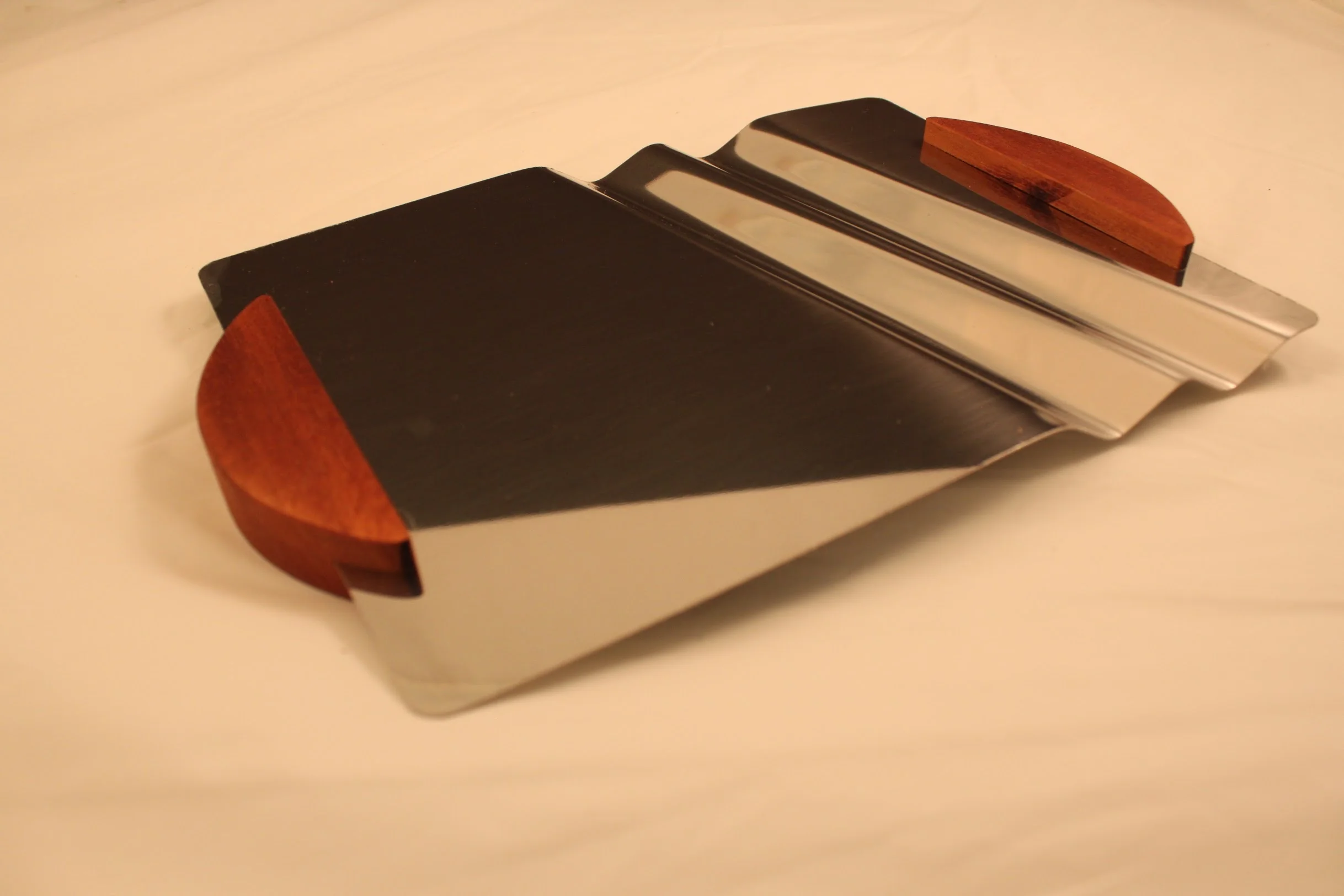
02_form exploration_I
wooden form development
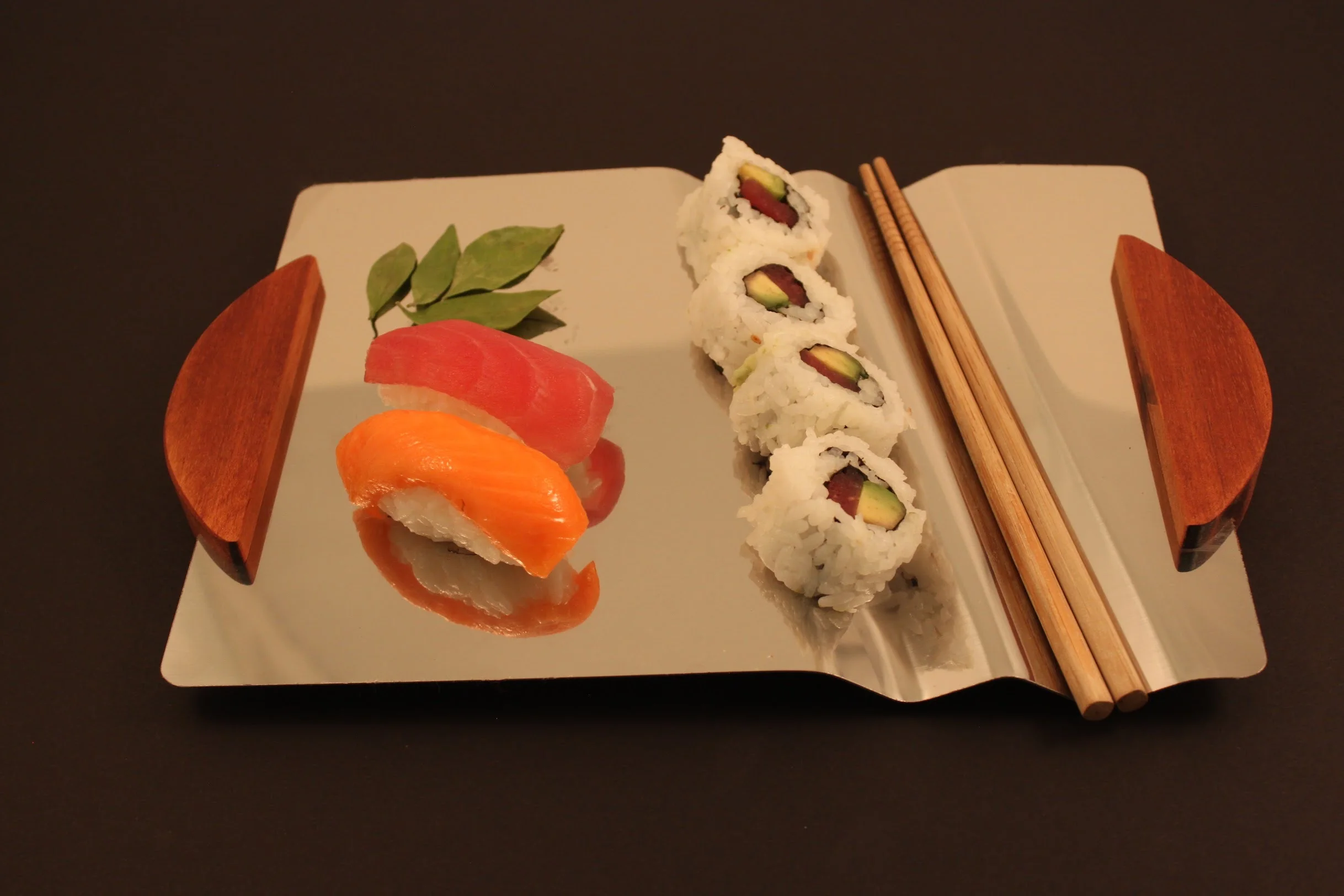
03_tangible experience_I
material/user touch dialogue
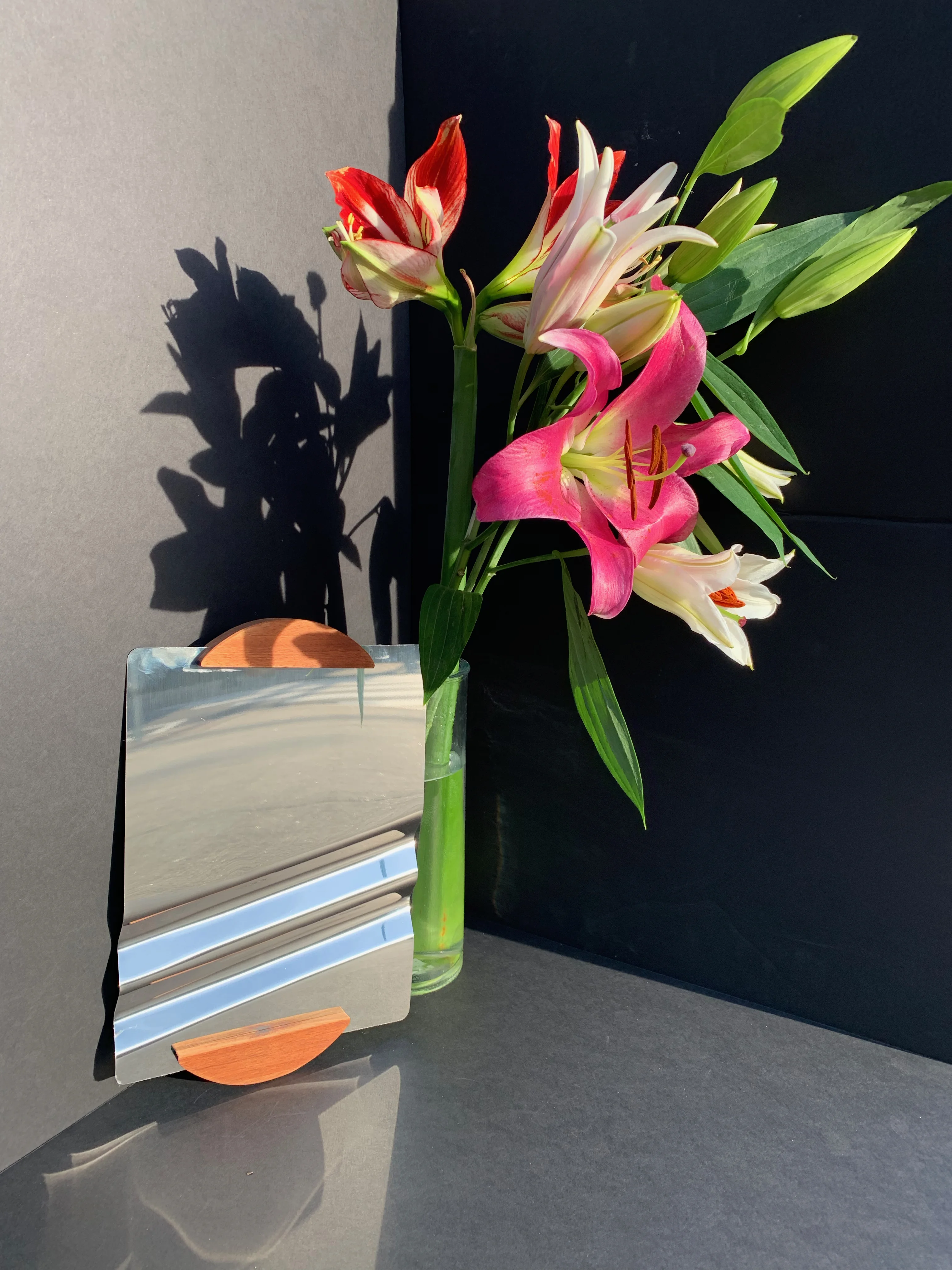
04_form exploration_II
prototyping to scale
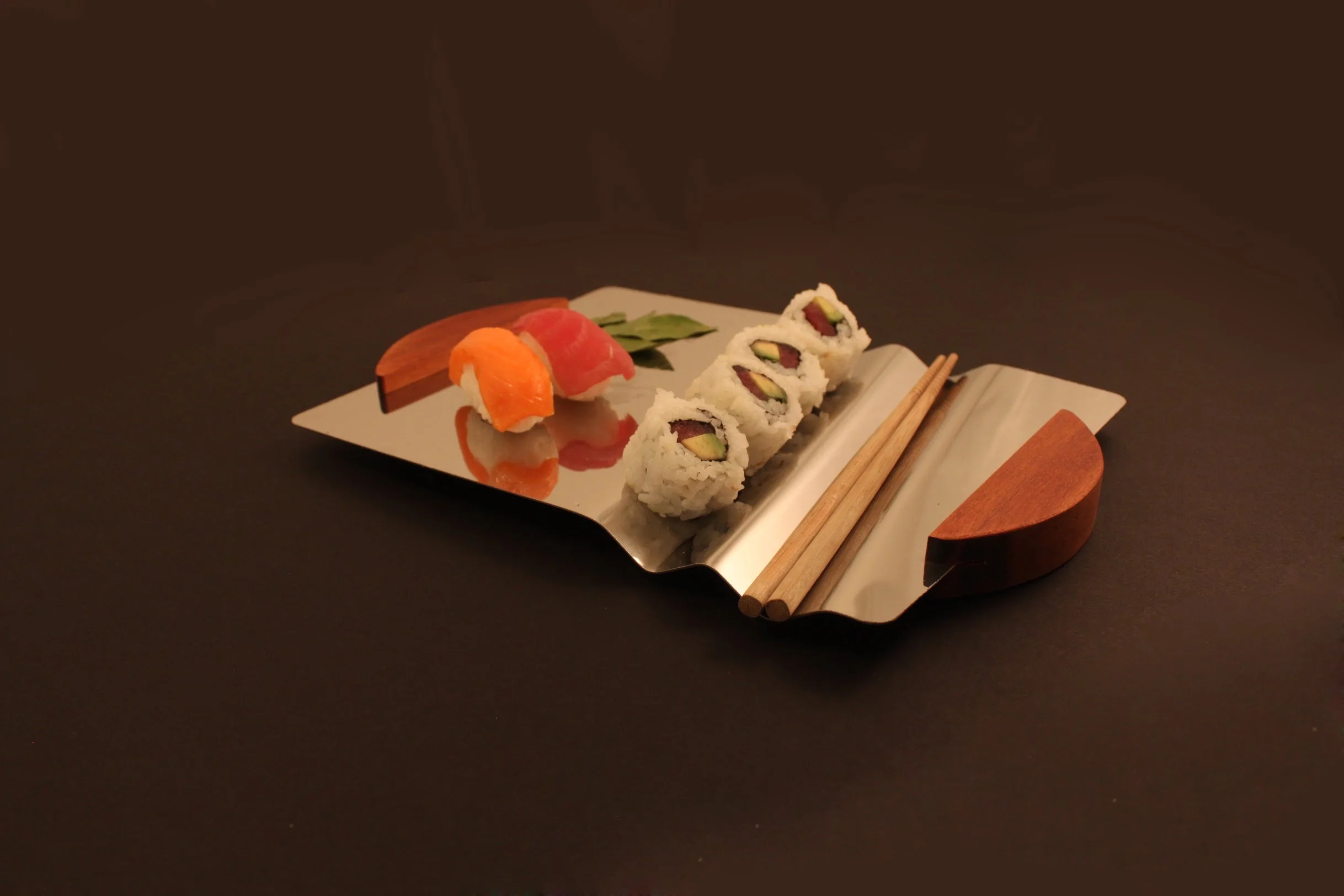
05_tangible experience_II
wood meets metal, meets person
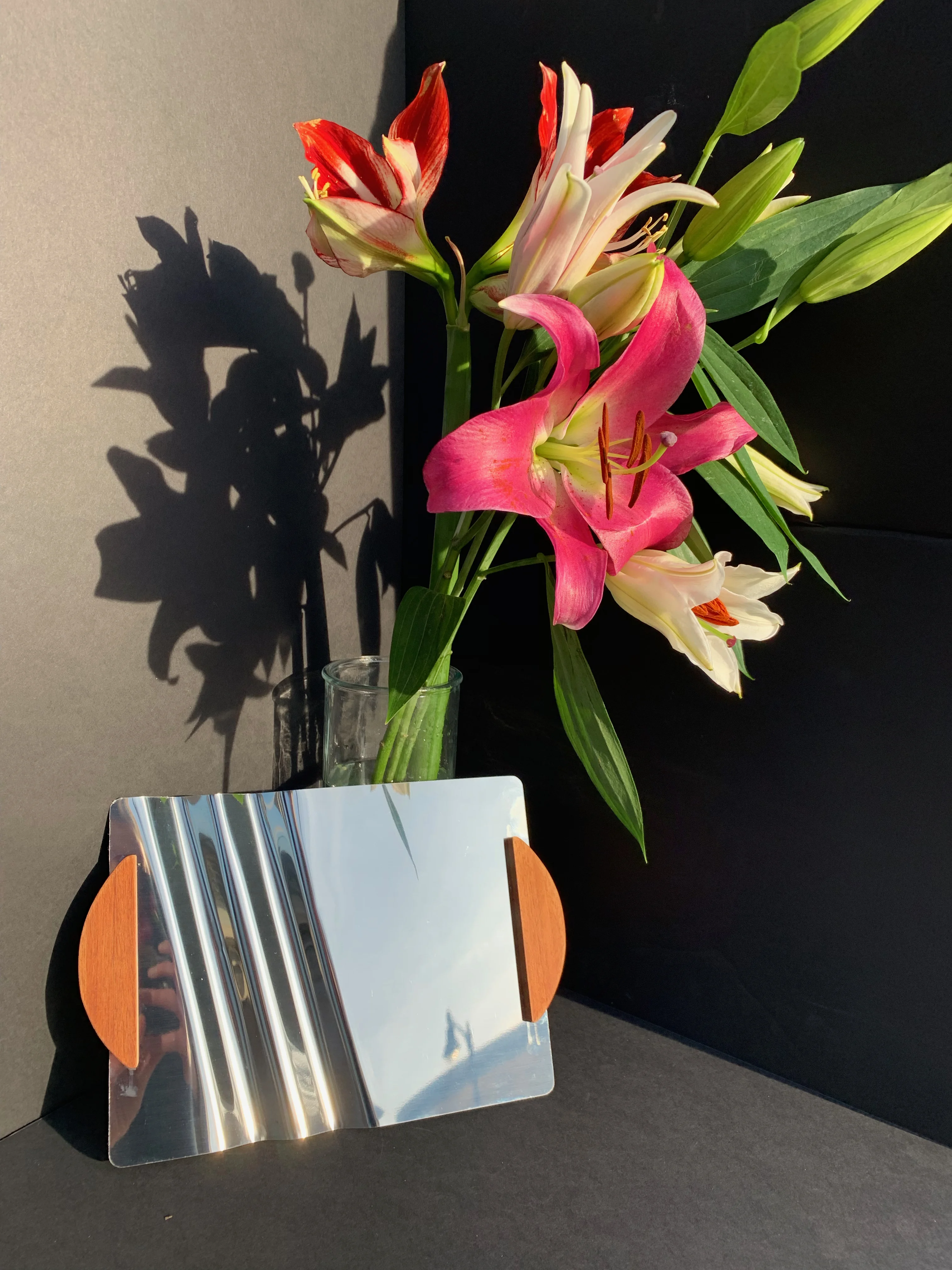
06_form exploration_III
refining proportions
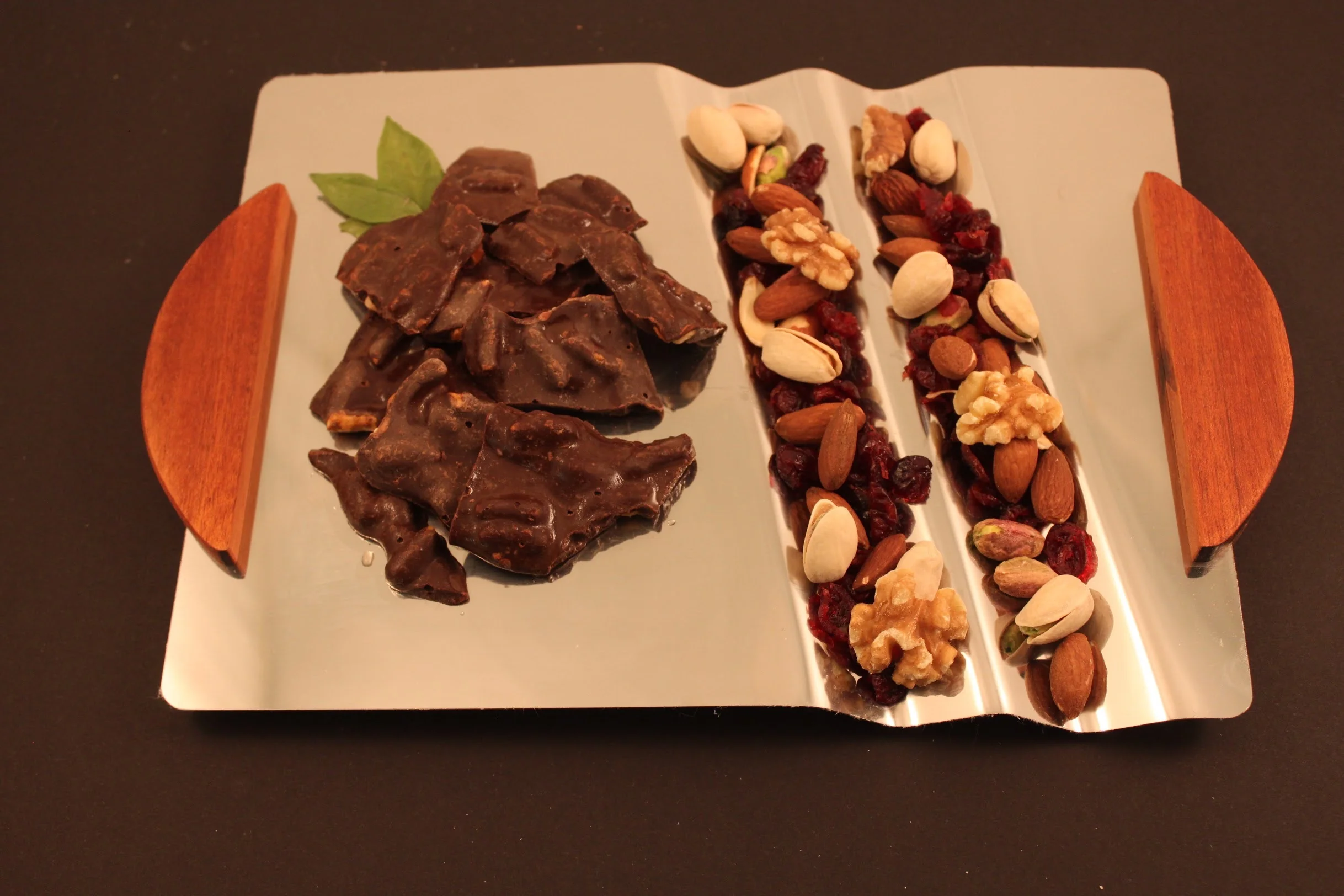
07_tangible experience_III
emergent tool for concentration
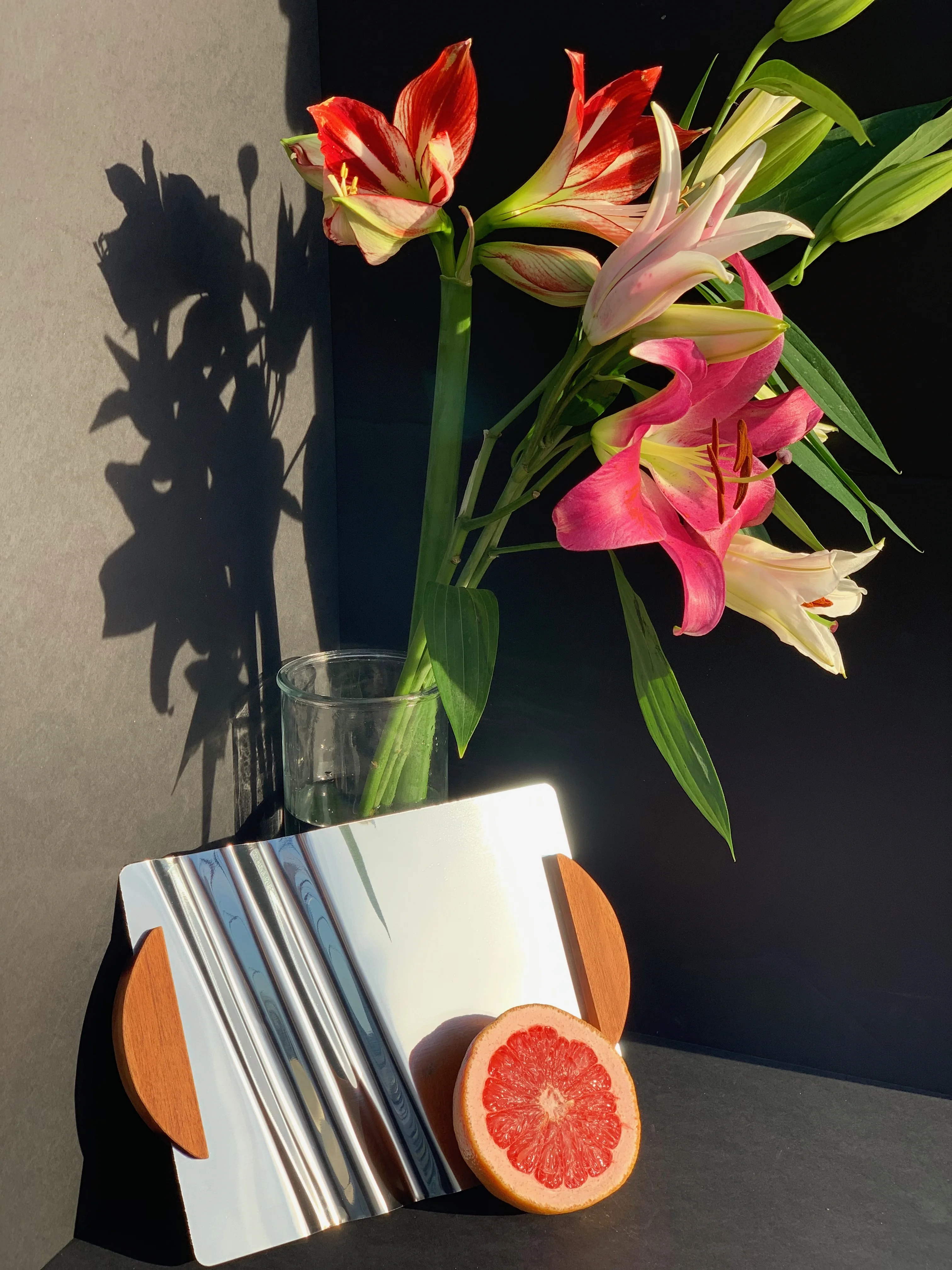
08_form exploration_IV
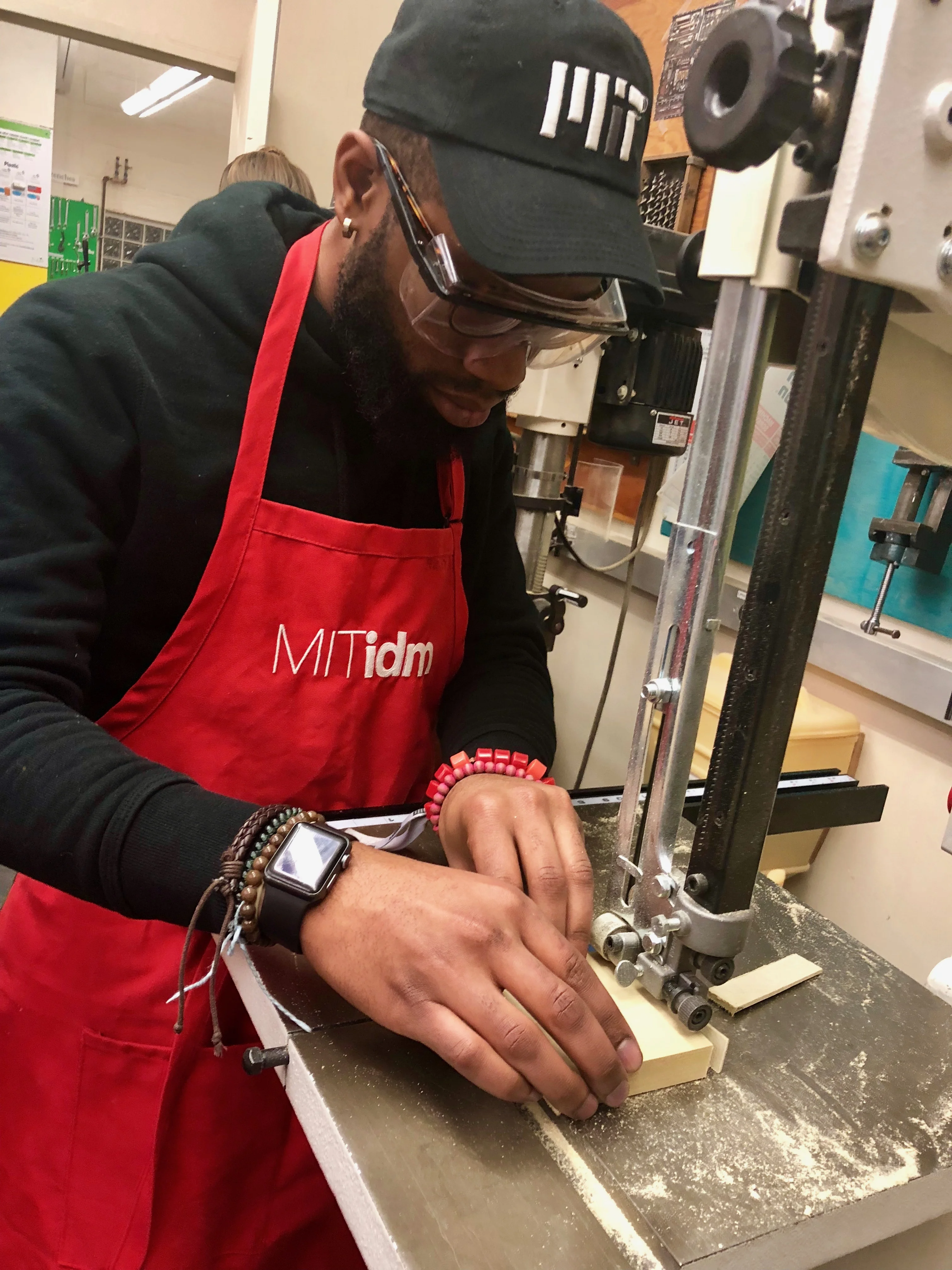
danger $30 bandsaw + 1st time user
09_tangible experience_IV
revision cycles
10_form exploration_V
validation cycles to digital
11_tangible experience_V
transformation through physic
12_form exploration_VI
to digital presentation
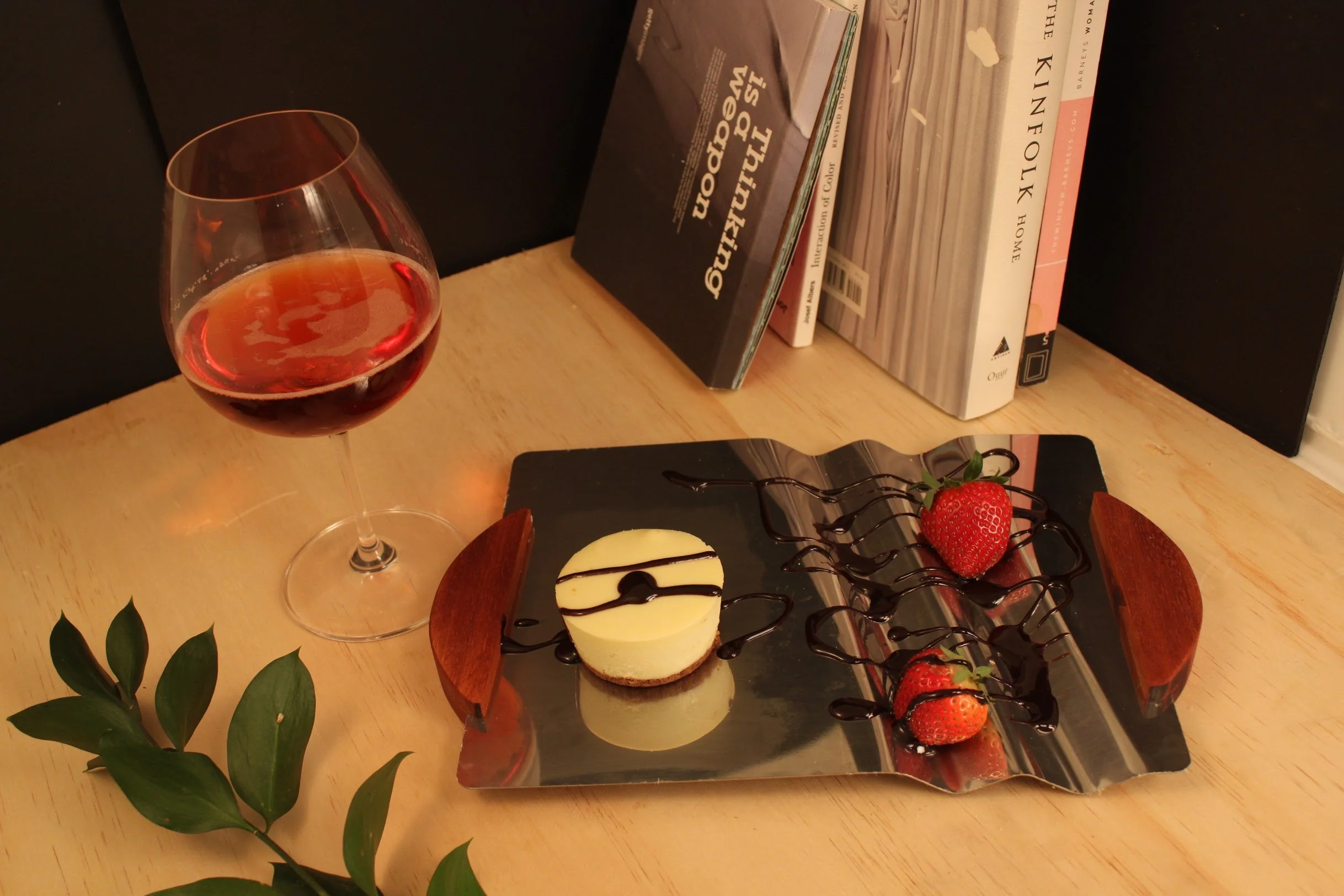
13_tangible experience_VI
from contrapuntal to physical
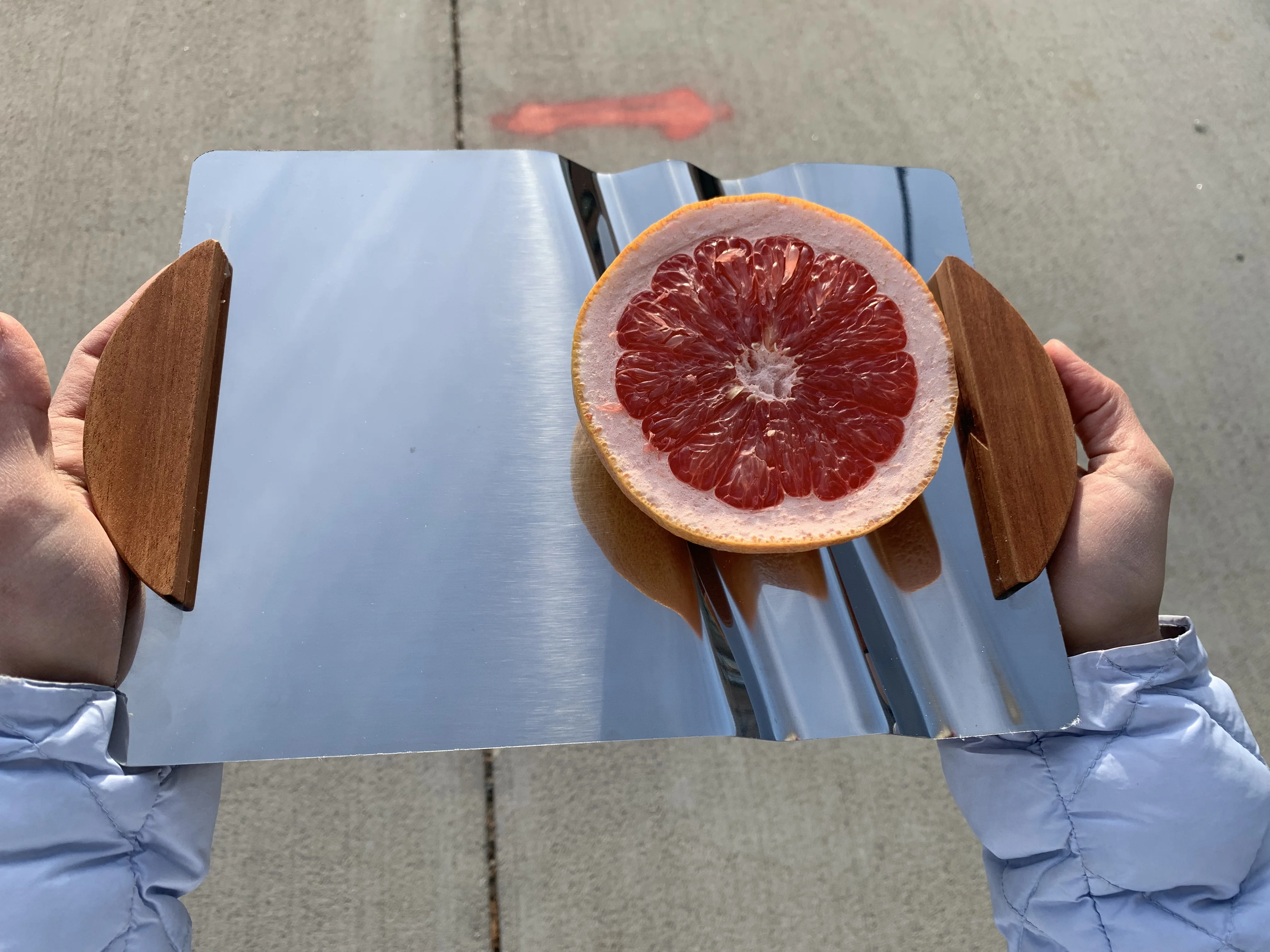
14_form exploration_VII
totality of effort
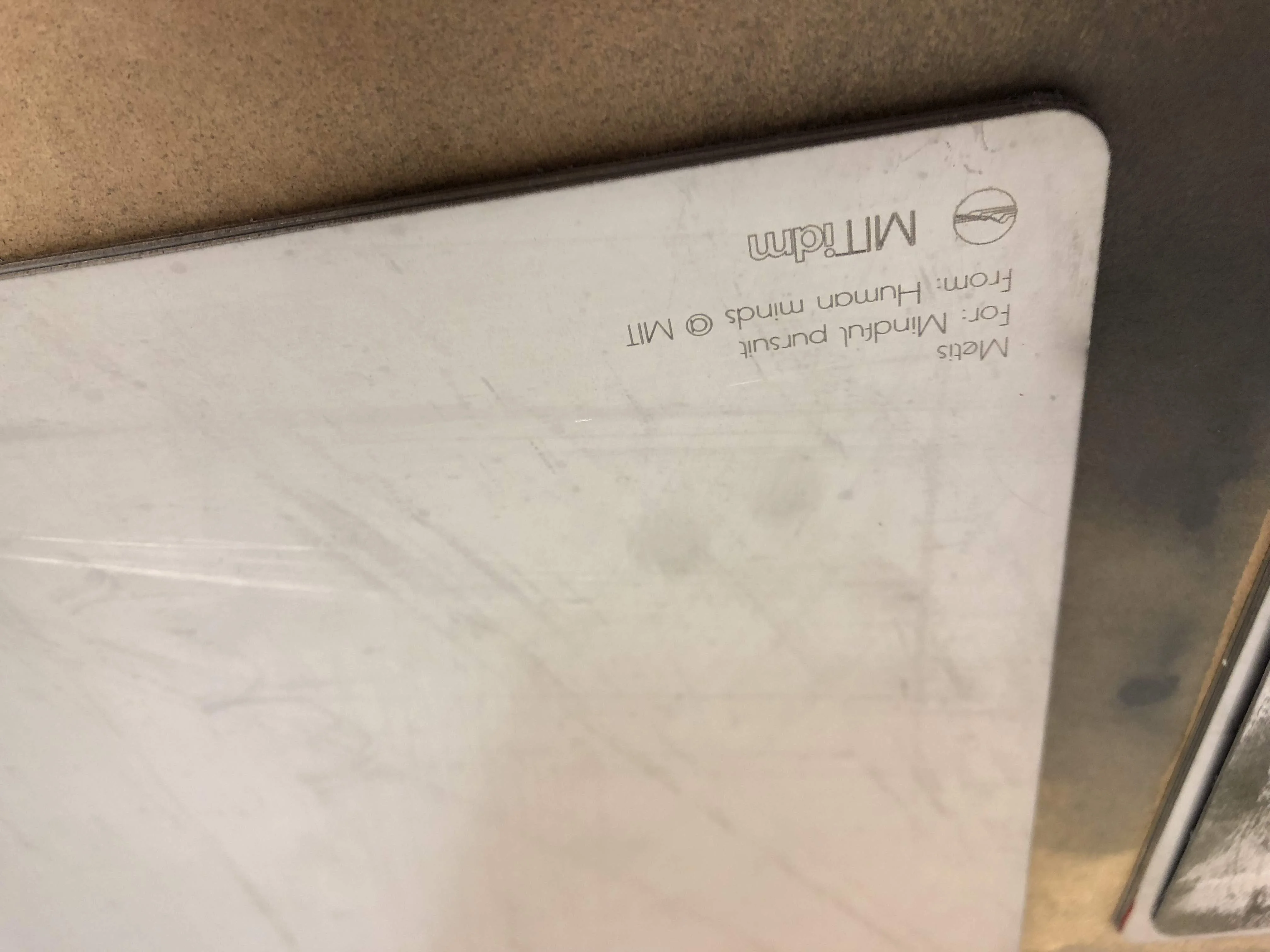
15_brand introduction_II
logo + thesis statement [finale]
01_brand introduction_I
logo + placquard as greeting
02_form exploration_I
wooden form development
03_tangible experience_I
material/user touch dialogue
04_form exploration_II
prototyping to scale
05_tangible experience_II
wood meets metal, meets person
06_form exploration_III
refining proportions
07_tangible experience_III
emergent tool for concentration
08_form exploration_IV
danger $30 bandsaw + 1st time user
09_tangible experience_IV
revision cycles
10_form exploration_V
validation cycles to digital
11_tangible experience_V
transformation through physic
12_form exploration_VI
to digital presentation
13_tangible experience_VI
from contrapuntal to physical
14_form exploration_VII
totality of effort
15_brand introduction_II
logo + thesis statement [finale]
01_brand introduction_I
logo + placquard as greeting
02_form exploration_I
wooden form development
03_tangible experience_I
material/user touch dialogue
04_form exploration_II
prototyping to scale
OT
OTHER WORK
Miscellaneous
Various projects framing novel use-cases and touching users across the globe.
This collection showcases a variety of smaller projects and explorations that demonstrate versatility across different design disciplines and client contexts. These pieces represent experimental work, rapid prototypes, and specialized solutions for unique challenges.
While each project had a more limited scope than the featured case studies, they all applied the same rigorous design methodology and attention to detail that characterizes my broader portfolio.
(For more on where these projects had impact, visit the 'more on me' section in the site's header!)
venture design

currency infrastructure exploration

marketplace design
drops platform concept

release mechanics
drops countdown interface

presentation design


hack4impact visual system

presentation system
hack4impact slide framework

visual narrative
hack4impact story arc

product showcase

sneaker culture interface
commerce design

sneaker drop experience
visual identity

vmgv brand exploration
brand evolution

vmgv design language
motion studies
vmgv animation system
interface components
vmgv ui library
design system
vmgv component guide

community platform
women empowerment interface

productivity tool
notion workflow enhancement

luxury interface
ysl digital experience

interface flow
calculator interaction study

interaction study
centered navigation flow

marketplace flow
goat purchase journey

authentication flow
goat verification process

social platform
home feed reimagined
venture design
currency infrastructure exploration
marketplace design
drops platform concept
release mechanics
drops countdown interface
presentation design
hack4impact visual system
presentation system
hack4impact slide framework
visual narrative
hack4impact story arc
product showcase
sneaker culture interface
commerce design
sneaker drop experience
visual identity
vmgv brand exploration
brand evolution
vmgv design language
motion studies
vmgv animation system
interface components
vmgv ui library
design system
vmgv component guide
community platform
women empowerment interface
productivity tool
notion workflow enhancement
luxury interface
ysl digital experience
interface flow
calculator interaction study
interaction study
centered navigation flow
marketplace flow
goat purchase journey
authentication flow
goat verification process
social platform
home feed reimagined
venture design
currency infrastructure exploration
marketplace design
drops platform concept
release mechanics
drops countdown interface
presentation design
hack4impact visual system